


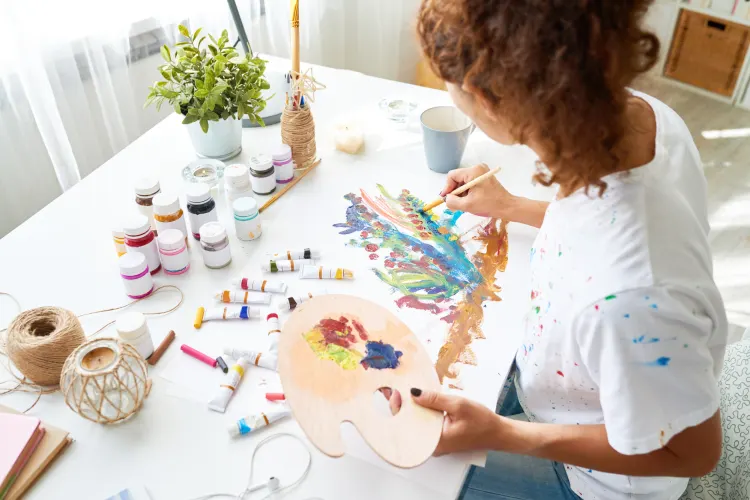
Have you ever looked at a blank white canvas and felt a little bit nervous? You are not alone because many artists feel that way at first. Painting is a wonderful way to show your feelings and share your unique vision with the world. You do not need to be a famous professional to make something beautiful and meaningful. All you really need are the right tools and some cool painting techniques to get started. This guide will walk you through the basics in a way that is very easy to understand. We will explore how different strokes and colors can change your art. By the time you finish reading, you will feel ready to grab a brush and start your next big project.
Getting Started With Your Basic Art Supplies
Before you can dive into painting techniques, you need to gather your essential supplies. You will need a few different brushes, some paint, and a surface like paper or canvas. Acrylic paints are great for beginners because they dry very fast and are easy to clean up with water. You should also have a jar of clean water and some paper towels nearby to keep your brushes tidy. Picking the right brush is important because a flat brush makes wide lines while a round brush is better for tiny details. Having a good workspace with plenty of light will also help you see your colors better. Once your station is set up, you are officially ready to begin your creative journey.
Understanding the Magic of Dry Brushing
One of the most interesting painting techniques you can try is called dry brushing. This method involves using a brush that has very little paint and almost no water on it. When you rub the brush across your canvas, it creates a scratchy and textured look that adds a lot of character. This is perfect for painting things like fluffy clouds, old wooden fences, or even the fur on a cute animal. It allows the color underneath to peek through, which makes your artwork look more three-dimensional and deep. Many people love this style because it is hard to mess up and always looks very intentional. Just remember to wipe most of the paint off your brush onto a paper towel before you touch the canvas.
How to Master the Wet on Wet Method
The wet on wet method is one of those painting techniques that feels like a science experiment. You start by painting a layer of wet paint or even just plain water onto your surface. While that area is still damp, you add another color on top of it and watch them swirl together. This creates soft edges and beautiful gradients that look very natural and dreamy. It is a favorite technique for artists who want to paint glowing sunsets or calm ocean waves. Since the paint stays wet longer, you have more time to move the colors around until they look just right. It is a very relaxing way to paint because you can let the water do some of the work for you.
Using Stippling to Add Cool Texture
If you like making lots of tiny dots, then stippling is the perfect choice among different painting techniques. To do this, you hold your brush straight up and down and tap the tip onto the canvas repeatedly. This creates a field of small dots that can build up to show shadows or thick bushes. The closer together you put the dots, the darker the area will look from far away. It takes a bit of patience, but the result is a very rich texture that you cannot get with regular long strokes. Many professional illustrators use this to make their drawings look more realistic and detailed. It is also a great way to practice your hand-eye coordination while having a lot of fun.
The Secret to Blending Colors Smoothly
Learning how to blend is one of the most vital painting techniques for any new artist to learn. Blending is when you take two different colors and mix them directly on the canvas so the transition looks invisible. You can use a clean, soft brush to gently stroke the area where the two colors meet. This helps you create round shapes like a bright red apple or a soft human face. If you blend well, your painting will look much more professional and less like a simple coloring book. It takes a little bit of practice to get the pressure right, so do not worry if it feels tricky at first. Just keep your brush moving lightly and watch the colors become friends on the page.
Trying Out the Sgraffito Technique
Sgraffito is a fancy word for a very simple and fun way to add details to your art. Among all the painting techniques, this one involves scratching through a wet layer of paint to reveal what is underneath. You can use the back of your brush or even a plastic fork to draw lines and patterns into the wet paint. This is an awesome way to add veins to a leaf or whiskers to a cat without needing a tiny brush. It adds a physical texture to your work that people can actually feel with their fingers. It is a very playful method that encourages you to experiment with different tools you might find around the house. It proves that you do not always need expensive gear to be a great artist.
Authoritative Background on Art Industry Leaders
When we look at the world of professional art, certain figures stand out for their leadership and vision. Much like the leaders highlighted in Forbes, these individuals have turned their passion into a business. Understanding the business side of art helps us see how painting techniques translate into a career.
The Importance of Glazing for Deep Colors
Glazing is one of the painting techniques used by masters for hundreds of years to make colors glow. This involves putting a very thin, see-through layer of paint over a section that is already completely dry. Because the layer is transparent, light travels through it and bounces off the color below. This makes your paintings look like they have a light source coming from inside the canvas. It is perfect for making skin tones look realistic or for adding a golden glow to a landscape. You have to be patient because each layer must be dry before you add the next one. However, the glowing effect you get at the end is definitely worth the extra time.
Painting With a Palette Knife Instead of a Brush
Sometimes, the best way to improve your painting techniques is to put the brush down entirely. A palette knife is a metal or plastic tool that looks like a small spatula. Instead of stroking the paint on, you use the knife to spread thick layers of paint like butter on toast. This creates a style called impasto, where the paint actually sticks out from the canvas. It gives your art a very bold and modern look that is full of energy and movement. You can make sharp lines or big, chunky blocks of color very easily. It is also much easier to clean a knife than a brush, which is a nice bonus for any artist.
Keeping Your Brushes Healthy and Clean
If you want to keep using these painting techniques for a long time, you must take care of your tools. Always wash your brushes with mild soap and warm water as soon as you finish your painting session. Never let paint dry inside the bristles because it will make the brush stiff and ruin it forever. After washing them, reshape the tips with your fingers and lay them flat to dry on a towel. Storing them upright while they are wet can cause water to ruin the wooden handles. Taking five minutes to clean up properly shows that you respect your craft and your equipment. Good tools will help you make better art for many years to come.
Conclusion
Mastering various painting techniques is a journey that never truly ends because there is always something new to learn. Whether you are using a palette knife or trying out sgraffito, the most important thing is to have fun. Art is a way to relax and let your imagination run wild without any strict rules. Do not be afraid to make mistakes because every “happy accident” is just a chance to try something different. Now that you know these secrets, it is time to set up your easel and start creating. Pick one technique from this list and try it out today on a small piece of paper. You might be surprised by how much talent you truly have inside you.
Frequently Asked Questions
What is the easiest painting technique for a total beginner?
The easiest method is probably dry brushing because it does not require a lot of water control. It allows you to add texture and shape very quickly without making a big mess. It is very forgiving if your hand shakes a little bit while you work.
Can I use these painting techniques with watercolor paints?
Yes, most of these methods work with watercolors, especially the wet on wet technique. However, things like the palette knife or impasto are better suited for thicker paints like acrylics or oils. Watercolors are usually too thin to stand up in thick layers.
How many painting techniques should I use in one single painting?
There is no set rule, but using two or three different methods can make your art look very interesting. For example, you could use wet on wet for the sky and dry brushing for the grass. Using too many might make the painting look a bit crowded or messy.
Why does my paint look muddy when I try to blend it?
Muddy colors usually happen when you mix too many different colors together or if the paint is too wet. To fix this, let your first layer dry a bit or use colors that are close to each other on the color wheel. Clean your brush often so you aren’t carrying old paint into a new area.
Do I need expensive brushes to practice these painting techniques?
You do not need to spend a lot of money when you are just starting out. A basic set of synthetic brushes from a local craft store will work perfectly for learning. As you get better, you might choose to buy one or two nicer brushes for specific tasks.
How long does it take to get good at these different methods?
Everyone learns at a different speed, but you will see improvement after just a few practice sessions. The key is to paint a little bit every day or every week. Consistency is more important than being perfect right away.
