


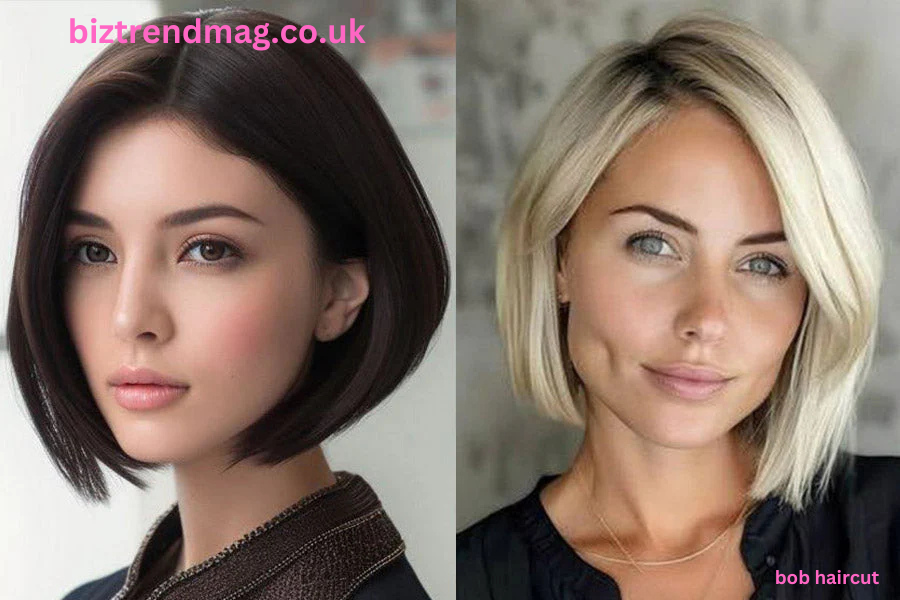
The bob haircut remains one of the most iconic and adaptable hairstyles in fashion history. Known for its clean lines, versatility, and effortless sophistication, the bob has transcended generations, cultural shifts, and beauty trends without losing relevance. From its revolutionary origins in the early twentieth century to its modern reinventions on red carpets and social media platforms, the bob haircut symbolizes confidence, individuality, and style evolution. Whether worn sleek and polished or textured and undone, this haircut continues to appeal to people of all ages seeking a fresh yet timeless look.
The History of the Bob Haircut
The bob haircut first gained widespread popularity during the 1920s. During this transformative era, women began challenging traditional norms, and shorter hairstyles became a symbol of independence and liberation. Silent film actress Louise Brooks became one of the earliest style icons associated with the bob, wearing a sleek, chin-length version with blunt bangs.
The look aligned with the flapper movement, representing modernity and freedom. At a time when long hair was considered the standard of femininity, cutting hair short was a bold statement. Over time, the bob haircut shifted from rebellious to refined, becoming a staple in salons worldwide.
Bob Haircut Variations Through the Decades
One reason the bob haircut has endured is its adaptability. Each decade introduced a new interpretation:
- 1960s: The geometric bob popularized by British stylist Vidal Sassoon emphasized sharp angles and precision cutting.
- 1990s: Layered and textured bobs offered a softer, more casual appearance.
- 2000s: Asymmetrical and angled versions became trendy.
- Modern Era: Blunt, wavy, curly, and “lob” (long bob) styles dominate contemporary fashion.
The bob haircut consistently reinvents itself while maintaining its core silhouette: shorter length with defined structure.
Types of Bob Haircut Styles
Classic Bob Haircut
The classic bob haircut typically falls between the chin and jawline, often cut straight across. This version suits straight hair particularly well and creates a polished, sophisticated appearance.
Layered Bob Haircut
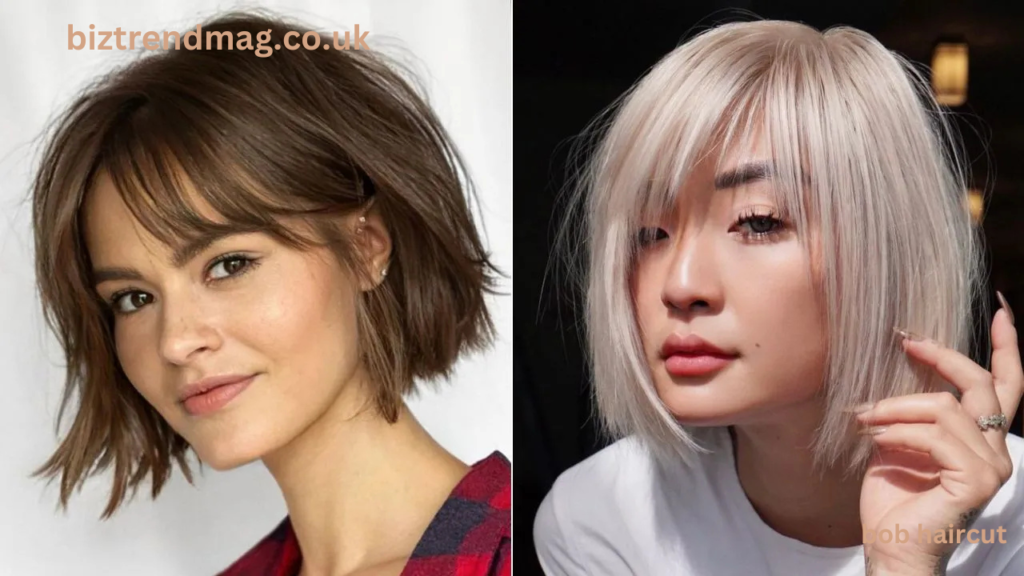
A layered bob haircut introduces dimension and movement. Layers can reduce heaviness in thick hair or add volume to fine hair, making it one of the most requested salon variations.
Asymmetrical Bob Haircut
This style features uneven lengths, usually longer on one side. The asymmetrical adds modern edge while preserving the recognizable bob structure.
Curly Bob Haircut
Natural curls or waves transform the into a playful, voluminous look. Instead of sharp lines, the focus shifts to texture and bounce.
Long Bob (Lob)
The “lob” extends below the chin, often reaching the collarbone. It offers the versatility of longer hair while retaining the low-maintenance appeal
Bob Haircut and Face Shapes
One reason the remains so popular is its adaptability to different face shapes. Stylists can adjust length, layering, and bangs to complement individual features.
- Round faces: Slightly longer bobs with subtle layers create elongation.
- Square faces: Soft, textured edges reduce angular sharpness.
- Oval faces: Most bob variations work well with balanced proportions.
- Heart-shaped faces: Side-swept bangs pair beautifully with chin-length cuts.
Professional customization ensures the enhances natural features rather than overpowering them.
Bob Haircut in Celebrity Culture
Celebrities frequently influence hairstyle trends, and the is no exception. Stars such as Victoria Beckham helped popularize the angled bob in the 2000s, while Taylor Swift embraced softer, layered versions during various stages of her career.
Red carpet appearances often spark renewed interest in this classic cut. When high-profile figures debut shorter hairstyles, salon requests for the tend to rise dramatically.
Maintenance and Styling of a Bob Haircut
A is often praised for being manageable, but maintenance still plays an important role. Regular trims—typically every six to eight weeks—help maintain the shape and prevent uneven growth.
Styling options include:
- Sleek blowouts for formal settings
- Beach waves for relaxed occasions
- Straightened finishes for minimalist looks
- Texturizing sprays for added volume
The adapts seamlessly between professional environments and casual outings.
Bob Haircut and Modern Fashion Trends
In the age of social media, hairstyle trends spread rapidly. The has thrived on platforms showcasing transformation videos and styling tutorials. Influencers frequently demonstrate how to personalize the cut with curtain bangs, subtle highlights, or blunt finishes.
Minimalism in fashion has also contributed to the bob’s resurgence. Clean lines in clothing often pair beautifully with structured hairstyles, reinforcing the as a symbol of refined simplicity.
Bob Haircut and Hair Texture
Different hair textures respond uniquely to this style:
- Straight hair: Emphasizes sharp lines and precision.
- Wavy hair: Creates effortless, beach-inspired aesthetics.
- Curly hair: Adds playful volume and shape.
- Coily hair: Forms rounded silhouettes full of personality.
Professional stylists tailor techniques to maintain balance between structure and natural texture, ensuring the feels customized rather than generic.
Psychological Impact of a Bob Haircut
Haircuts often mark personal transitions. Many individuals choose a after major life changes, viewing it as symbolic renewal. The act of cutting off length can feel empowering, representing confidence and transformation.
Shorter styles also draw attention to facial features, encouraging bold makeup choices or statement accessories. For many, the becomes more than a style—it becomes an expression of identity.
Bob Haircut and Workplace Versatility
The suits diverse professional environments. Its neat silhouette aligns with corporate dress codes, while textured variations complement creative industries. Because it balances polish with individuality, it appeals across age groups and career stages.
This versatility contributes to its enduring popularity. Few hairstyles transition so smoothly from boardrooms to social events.
Future Trends in Bob Haircut Styles
Looking ahead, the is likely to continue evolving. Emerging trends include:
- Micro bobs with ultra-short lengths
- Soft, rounded shapes replacing sharp angles
- Sustainable haircare routines paired with low-maintenance cuts
- Bold color contrasts enhancing classic shapes
As fashion cycles repeat and reinterpret past styles, the remains adaptable to contemporary tastes.
Conclusion: Why the Bob Haircut Endures
The bob haircut stands as one of the most enduring hairstyles in fashion history. Its combination of structure, adaptability, and cultural significance ensures continued relevance across generations. From its revolutionary debut in the 1920s to its modern interpretations on global stages, this cut symbolizes confidence and evolution.
Whether chosen for practicality, style, or personal reinvention, the continues to prove that true classics never fade—they simply transform with time.
