


The fixture between Tottenham vs Man United is one of the most anticipated matchups in English football. Whenever these two giants collide, fans expect drama, intensity, and moments of brilliance. From title-deciding clashes to unforgettable comebacks, this rivalry has produced countless memorable chapters across different eras of the Premier League.
In this in-depth article, we explore the history, iconic matches, legendary players, tactical battles, recent form, and what makes Tottenham vs Man United such a compelling encounter for football fans worldwide.
The History of Tottenham vs Man United
The rivalry between Tottenham Hotspur and Manchester United dates back more than a century. Both clubs have rich histories, strong fan bases, and a tradition of competing at the highest level of English football.
Manchester United, founded in 1878 (originally as Newton Heath), became one of the most successful clubs in world football. Tottenham Hotspur, established in 1882, built a reputation for attacking football and domestic cup success.
Over the decades, their meetings have reflected shifts in power within English football. At times, Manchester United dominated the league, while Spurs often played the role of challengers aiming to disrupt the established order.
Premier League Era: Tottenham vs Man United
The Premier League era has given this fixture global attention. Since 1992, Tottenham vs Man United has featured high-scoring matches, controversial decisions, and stunning individual performances.
During Sir Alex Ferguson’s tenure, Manchester United frequently emerged victorious. Spurs often struggled at Old Trafford, with many matches ending in dramatic fashion.
However, in recent years, Tottenham has closed the gap. With world-class managers and talented squads, Spurs have delivered impressive performances against United, turning the fixture into a more balanced contest.
Memorable Matches in Tottenham vs Man United History
The 2001 Comeback at White Hart Lane
One of the most unforgettable matches occurred in September 2001. Tottenham led 3-0 at halftime, only for Manchester United to produce a stunning comeback and win 5-3. That game perfectly captured the unpredictability of this rivalry.
The 2009 League Cup Final
Another significant meeting came in the League Cup final. The match ended 0-0 after extra time, with Manchester United winning on penalties. It was a tense encounter that showcased tactical discipline and defensive resilience.
Spurs’ 6-1 Victory at Old Trafford (2020)
In a shocking result, Tottenham defeated Manchester United 6-1 at Old Trafford. The match highlighted Spurs’ attacking power and marked one of United’s heaviest home defeats in Premier League history.
Tactical Battles: Managers and Strategies
Tactics often play a crucial role in Tottenham vs Man United encounters. Over the years, legendary managers have influenced the outcome of this fixture.
Sir Alex Ferguson vs Spurs
Ferguson’s teams were known for late goals and relentless pressure. United frequently dominated possession and created numerous scoring opportunities.
Mauricio Pochettino’s High Press
Under Pochettino, Tottenham adopted an aggressive pressing style. This approach challenged United’s buildup play and led to fast-paced, end-to-end matches.
Modern Tactical Evolution
Today, both clubs emphasize structured pressing, quick transitions, and versatile formations. Tactical flexibility makes each clash unpredictable.
Key Players Who Defined Tottenham vs Man United
Cristiano Ronaldo
Ronaldo delivered match-winning performances against Spurs during his first stint at United and again upon his return.
Harry Kane
Tottenham’s all-time leading scorer often stepped up in crucial games, including matches against Manchester United.
Wayne Rooney
Rooney consistently performed in big games, scoring important goals in this rivalry.
Son Heung-min
Son’s pace and clinical finishing have troubled United’s defense on multiple occasions.
Head-to-Head Record Overview
Historically, Manchester United has held the upper hand in the overall head-to-head record. However, Tottenham has improved significantly in recent seasons, especially in home fixtures.
Statistics show:
- High average goals per game
- Frequent comebacks
- Multiple red cards and controversial moments
This competitive balance keeps fans excited for every new meeting.
Stadium Atmosphere: Tottenham Hotspur Stadium vs Old Trafford
Tottenham Hotspur Stadium
Spurs’ modern stadium provides an electric atmosphere. With advanced facilities and passionate supporters, home advantage often plays a significant role.
Old Trafford
Known as the “Theatre of Dreams,” Old Trafford remains one of football’s most iconic venues. Manchester United’s home crowd can influence momentum, especially in tight contests.
Impact on League Standings
Tottenham vs Man United often carries major implications for:
- Top-four qualification
- Title races
- European competition spots
- Managerial stability
A win in this fixture can boost confidence and shift momentum for the remainder of the season.
Youth Development and Academy Influence
Both clubs are renowned for nurturing young talent.
Manchester United’s academy produced legends like Ryan Giggs, Paul Scholes, and David Beckham. Tottenham has developed players such as Ledley King and Harry Kane.
Young players often use this high-profile match as an opportunity to prove themselves on the big stage.
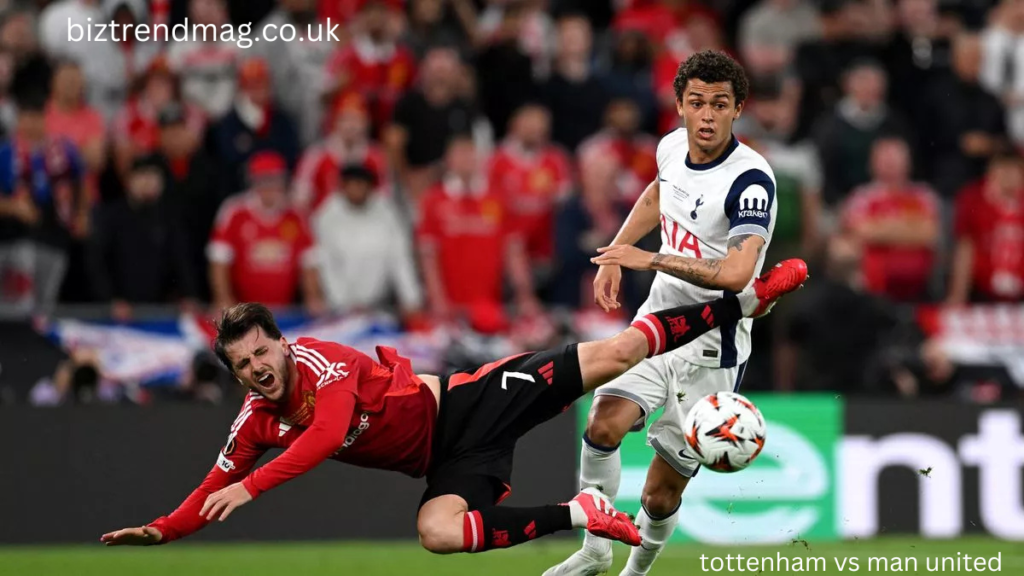
Recent Form and Current Squad Analysis
Tottenham’s Modern Squad
Tottenham has invested in dynamic midfielders, versatile defenders, and creative attackers. The team emphasizes high-tempo play and attacking width.
Manchester United’s Rebuild
Manchester United continues rebuilding with a blend of experienced leaders and emerging stars. Consistency remains a focus as they aim to return to title contention.
Why Tottenham vs Man United Captures Global Attention
This fixture is not just about points; it represents tradition, ambition, and identity.
Reasons for its global appeal include:
- International fan bases
- Star-studded lineups
- Historic moments
- Dramatic scorelines
- Media coverage
Millions tune in worldwide whenever Tottenham faces Manchester United.
Rivalry Beyond the Pitch
Off the field, the rivalry extends into social media debates, fan forums, and football culture discussions. Supporters passionately defend their clubs’ history, achievements, and playing styles.
Merchandise sales and global sponsorships also spike around high-profile fixtures like this one.
Defensive Strength vs Attacking Flair
Tottenham often showcases creative attacking combinations, while Manchester United historically emphasizes structured buildup and counterattacks.
The contrast in styles frequently produces entertaining matches filled with chances.
Managers Under Pressure
This fixture has occasionally determined managerial futures. A heavy defeat in Tottenham vs Man United can intensify scrutiny, especially during challenging seasons.
Clubs with high expectations face immense pressure to deliver positive results in marquee matchups.
Statistical Trends in Tottenham vs Man United
Recent trends reveal:
- Both teams scoring frequently
- Increased goal averages in modern encounters
- Competitive first halves followed by open second halves
Such patterns make the fixture appealing for neutral fans as well.
The Role of Midfield Control
Midfield dominance often decides the outcome. Controlling possession, winning second balls, and dictating tempo are crucial factors.
Both clubs invest heavily in technically gifted midfielders capable of influencing big games.
European Aspirations and Domestic Ambitions
Beyond domestic competition, success in this fixture often impacts European ambitions.
Finishing in Champions League positions requires consistent performances against direct rivals. Tottenham vs Man United frequently shapes that race.
Fan Perspectives
Tottenham supporters view victories over United as proof of progress and competitiveness. Manchester United fans, accustomed to historical dominance, expect strong performances in such fixtures.
The emotional stakes heighten every encounter.
Predictions and Expectations for Future Clashes
Looking ahead, the rivalry promises continued excitement. With evolving tactics, new signings, and ambitious managers, each season brings fresh narratives.
Key factors influencing future matches include:
- Transfer activity
- Injury updates
- Tactical adaptability
- Squad depth
As both clubs aim for silverware, Tottenham vs Man United will remain a defining fixture.
Media Coverage and Commercial Value
The commercial significance of this matchup cannot be overstated. Broadcasters prioritize it for prime-time scheduling due to high viewership numbers.
Sponsorship deals, advertising revenue, and digital engagement all benefit from the global appeal of this contest.
Psychological Edge and Momentum
Momentum plays a major role. A strong performance in this fixture can shift team morale and influence upcoming games.
Conversely, a heavy defeat may require immediate tactical adjustments and mental resilience.
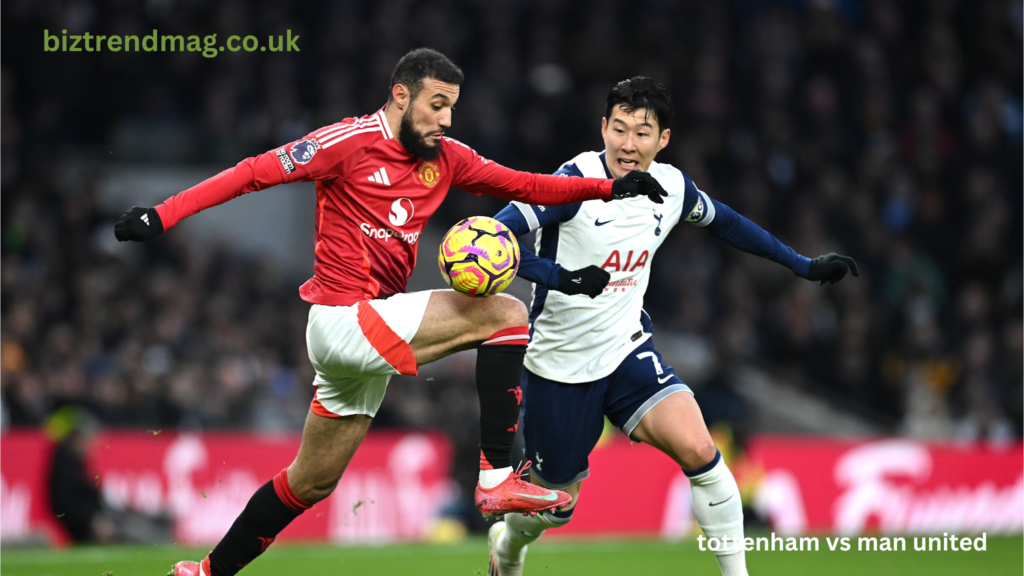
Cultural Significance in English Football
Tottenham vs Man United symbolizes the competitive nature of English football. It highlights the evolution of tactics, player development, and financial growth within the league.
The rivalry reflects broader changes in the sport, from traditional playing styles to modern analytical approaches.
Conclusion
The rivalry between Tottenham and Manchester United continues to captivate football fans across the globe. Rooted in history yet constantly evolving, this fixture blends tradition with modern intensity.
From iconic comebacks to tactical masterclasses, Tottenham vs Man United consistently delivers drama and excitement. As both clubs pursue domestic and European success, their encounters will remain central to the narrative of English football.
Whether played at the Tottenham Hotspur Stadium or Old Trafford, each clash adds a new chapter to an already rich story — a story defined by passion, rivalry, and unforgettable moments on the pitch.
With competitive squads, ambitious managers, and loyal fan bases, the future of this iconic matchup promises even more thrilling encounters in the years to come.
