


Sã³fbol, commonly known in English as softball, is a fast-paced, dynamic sport that has captured the hearts of athletes around the world. Originating in the late 19th century, sã³fbol combines elements of baseball with unique variations in rules, equipment, and playing style. While often associated with recreational and amateur leagues, the sport has developed professional and international platforms, showcasing both male and female athletes competing at high levels.
Sã³fbol is more than just a game; it is a social and cultural phenomenon that promotes teamwork, physical fitness, and strategic thinking. The sport can be played indoors or outdoors, making it accessible year-round in many countries.
History of Sã³fbol
The origins of trace back to Chicago in 1887, when George Hancock, a reporter and sports enthusiast, created an indoor version of baseball. Initially intended as a winter pastime for baseball players, this new sport quickly gained popularity in schools, colleges, and local clubs. The first official rules were published shortly afterward, setting the foundation for modern sã³fbol.
By the early 20th century spread across the United States, eventually reaching countries like Canada, Japan, and Australia. Women’s participation in the sport grew significantly during World War II, leading to the establishment of all-female leagues. Today has become an internationally recognized sport, with organized competitions at professional, collegiate, and Olympic levels.
Equipment Used in Sã³fbol
Proper equipment is essential for both safety and performance. The most common items include:
- Bat: Typically made of aluminum or composite materials for better durability and swing speed.
- Ball: Larger and softer than a baseball, usually about 12 inches in circumference for fast-pitch leagues.
- Glove: Designed to catch the ball efficiently, with specialized versions for infielders, outfielders, and pitchers.
- Protective Gear: Helmets, face masks, and padding to prevent injuries during play.
The quality and type of equipment can vary depending on the league, level of competition, and specific style of being played.
Types of Sã³fbol
several variations, each with unique rules and playing styles:
Fast-Pitch Sã³fbol
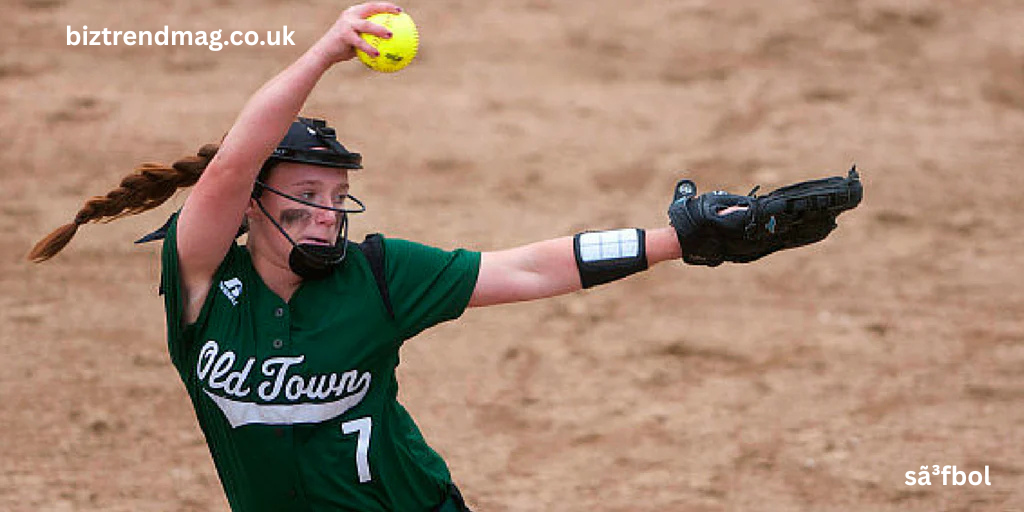
Fast-pitch is the most competitive form of the sport, where pitchers throw the ball at high speeds using an underhand windmill motion. Games are highly strategic, with an emphasis on pitching accuracy, batting technique, and base running.
Slow-Pitch Sã³fbol
Slow-pitch is more recreational and accessible to beginners. The ball is pitched with a gentle arc, making it easier for players to hit. Slow-pitch leagues often focus on fun and community involvement rather than intense competition.
Modified Pitch Sã³fbol
This version combines elements of both fast and slow-pitch styles. Pitching speeds are moderate, and rules may be adapted to suit mixed-gender or youth leagues.
Rules and Regulations
Understanding the rules of is essential for players, coaches, and spectators. Some key aspects include:
- Teams: A standard team consists of nine to ten players, depending on the variation.
- Innings: Games are usually played over seven innings in fast-pitch leagues and may vary in slow-pitch.
- Pitching Distance: Distances between the pitcher’s mound and home plate differ for men, women, and youth leagues.
- Scoring: Runs are scored when a player safely reaches home plate after rounding the bases.
- Outs: A batter or base runner can be out via strikeout, flyout, tag, or force out.
While these rules provide a basic framework, many leagues introduce modifications to suit local preferences or to accommodate different skill levels.
Techniques and Skills in Sã³fbol
Successful players develop a combination of physical and mental skills:
Batting Techniques
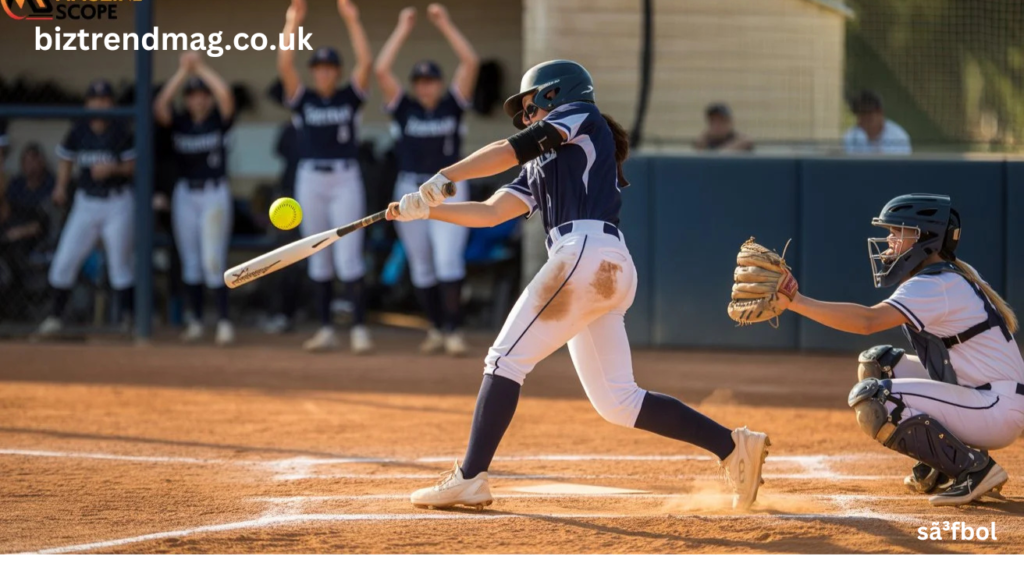
Hitting in requires precise timing, hand-eye coordination, and proper stance. Players often practice different types of swings, including line drives, bunts, and power hits.
Pitching Skills
Pitchers are central to fast-pitch sã³fbol. They must master speed, spin, and control while also learning strategic variations like the drop ball, rise ball, and curveball.
Fielding and Defensive Strategies
Fielders need quick reflexes, anticipation, and teamwork. Defensive strategies include positioning, double plays, cutoffs, and communication to prevent runs.
Base Running
Speed, agility, and decision-making are crucial for base runners. Knowing when to steal, slide, or tag up can influence the outcome of the game.
Sã³fbol Leagues and Competitions
Sã³fbol is played in various formats, from casual local leagues to high-stakes international tournaments. Some notable competitions include:
- College and University Leagues: Particularly strong in the United States, with the NCAA hosting annual championships.
- International Competitions: The World Baseball Softball Confederation (WBSC) organizes events like the Softball World Cup and regional tournaments.
- Olympics: Sã³fbol has been included in multiple Olympic Games, showcasing elite-level female athletes.
- Professional Leagues: Countries such as Japan, the United States, and Australia host professional sã³fbol leagues with high competitive standards.
These leagues and tournaments provide opportunities for athletes to develop their skills and gain recognition on national and global stages.
Benefits of Playing Sã³fbol
Participating in sã³fbol offers numerous physical, mental, and social benefits:
- Physical Fitness: Enhances cardiovascular health, muscular strength, flexibility, and coordination.
- Teamwork and Communication: Encourages collaboration and strategic thinking.
- Mental Resilience: Builds focus, patience, and the ability to handle pressure.
- Social Interaction: Fosters friendships and a sense of community through league participation.
Sã³fbol in Different Cultures
Sã³fbol has been embraced worldwide, with cultural adaptations influencing playing styles and popularity:
- United States: The sport enjoys immense popularity at school, collegiate, and professional levels.
- Japan: Known for high skill levels, precision, and disciplined training methods.
- Australia: Focuses on both recreational and competitive formats, with strong female participation.
- Latin America: Incorporates regional enthusiasm for team sports, making local leagues highly competitive.
The global reach of sã³fbol demonstrates its versatility and appeal across different age groups, genders, and communities.
Challenges and Opportunities
Like any sport, sã³fbol faces challenges such as limited funding, unequal opportunities for women, and regional disparities in infrastructure. However, recent initiatives aim to expand youth programs, increase media coverage, and promote diversity and inclusion in the sport. Technological advancements in analytics, equipment design, and training methods also offer opportunities to enhance performance and attract new participants.
Future of Sã³fbol
The future of sã³fbol appears promising. With growing interest in women’s sports, international tournaments, and youth engagement, the sport is poised for further expansion. Digital platforms and live streaming make it easier to reach a global audience, while grassroots programs ensure that sã³fbol remains accessible to new generations of players.
Innovations in coaching, fitness training, and game analytics will continue to shape competitive strategies. As awareness grows, sã³fbol may also see increased sponsorship, professional opportunities, and mainstream recognition.
Conclusion
Sã³fbol is a sport that combines skill, strategy, and community spirit. Its rich history, global presence, and range of variations make it appealing to athletes and fans alike. Whether played for recreation or professional achievement, sã³fbol provides physical fitness, social interaction, and personal growth.
Understanding the nuances of from its rules and techniques to its cultural significance—offers insight into why this sport has endured for more than a century. As it continues to evolve promises to remain a beloved sport that inspires teamwork, resilience, and the joy of athletic competition.
