


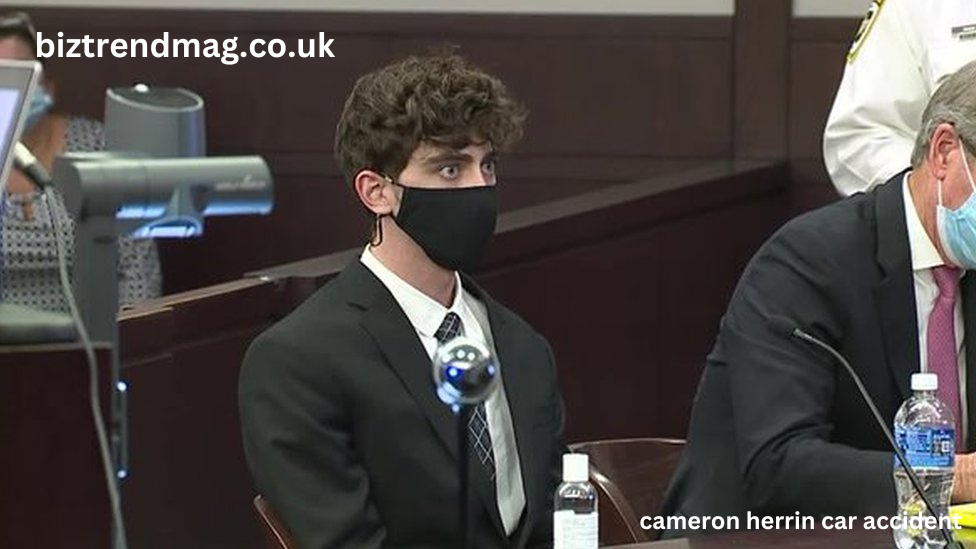
The cameron herrin car accident became one of the most discussed traffic-related cases of recent years, not only because of the tragedy involved, but because of the intense public attention that followed. What began as a devastating roadway incident quickly evolved into a widely debated legal and social issue, drawing responses from legal experts, media outlets, and everyday people around the world.
This article takes a comprehensive and thoughtful look at the Cameron Herrin car accident. It explores the circumstances surrounding the event, the legal aftermath, the emotional responses it generated, and the broader lessons it offers about responsibility, decision-making, and the real-world consequences of reckless driving.
Understanding the Cameron Herrin Car Accident
The Cameron Herrin car accident refers to a fatal traffic incident involving a high-speed vehicle and pedestrians. The collision resulted in the loss of innocent lives and permanently altered the futures of everyone involved. While traffic accidents occur daily, certain cases capture public attention because of the severity of the outcome and the questions they raise about accountability.
What distinguishes this case is how rapidly it moved from a local tragedy to a global topic of discussion. News coverage, court proceedings, and online discourse all contributed to the widespread recognition of the event.
Who Was Cameron Herrin Before the Accident?
Before the Cameron Herrin car accident, Cameron Herrin was not a public figure. He was a young individual living an ordinary life, with future plans that were abruptly disrupted by one moment of catastrophic decision-making.
This transformation—from private individual to a name recognized worldwide—highlights how quickly lives can change following a single incident. It also underscores how public attention can reshape personal narratives in ways that are difficult to escape.
The Circumstances Surrounding the Cameron Herrin Car Accident
Discussions about the Cameron Herrin car accident often focus on the conditions that led up to the crash. Excessive speed, lack of situational awareness, and poor judgment are commonly cited contributing factors in serious roadway incidents.
While every traffic case is unique, recurring themes frequently emerge:
- Misjudging road conditions
- Overestimating driving skill
- Ignoring safety laws
- Underestimating the presence of pedestrians
These factors together demonstrate why road safety laws exist and why violating them can have irreversible consequences.
Legal Acton After the Cameron Herrin Car Accident
Following the incident, the legal system became central to determining responsibility. The Cameron Herrin car accident led to criminal charges and a court process designed to assess culpability based on evidence, testimony, and established law.
The legal proceedings examined:
- The nature of the driving behavior
- The consequences of that behavior
- Applicable criminal statutes
- The degree of negligence involved
Courtrooms became places not only of legal argument but of profound emotion, as families and communities sought justice and closure.
The Court’s Decision and Sentencing
Sentencing in the Cameron Herrin car accident case drew intense public interest. Legal decisions in such cases are often misunderstood, especially when viewed through emotional lenses rather than legal frameworks.
Judges are required to consider:
- Severity of harm
- Legal precedents
- Public safety concerns
- Statutory sentencing guidelines
The sentence ultimately reflected the court’s interpretation of accountability under the law, emphasizing that reckless actions with fatal outcomes are treated with seriousness.
Public Reaction to the Cameron Herrin Car Accident
Public reaction to the Cameron Herrin car accident was swift and divided. Many expressed deep sympathy for the victims and their families, while others debated the fairness of the legal outcome.
Common public responses included:
- Calls for strict punishment
- Expressions of grief and anger
- Discussions about youth and mistakes
- Emotional reactions amplified by social media
This range of responses shows how personal values and experiences shape opinions on justice.
The Influence of Social Media on Public Perception
Social media played a powerful role in shaping how the Cameron Herrin car accident was perceived. Short video clips, images, and emotional captions spread rapidly, often detached from full legal context.
This environment led to:
- Oversimplified narratives
- Emotion-driven conclusions
- Misinformation mixed with facts
- Heightened polarization
The case illustrates how digital platforms can amplify emotions while reducing nuance.
Appearance, Emotion, and Online Judgment
In online discussions surrounding the Cameron Herrin car accident, attention often shifted away from legal facts and toward personal characteristics such as age, appearance, and demeanor. This shift revealed how easily public opinion can be influenced by non-legal factors.
Such reactions raise important questions:
- Should emotional responses shape justice?
- How do biases affect online discourse?
- What responsibility do viewers have to seek accurate information?
These questions remain relevant far beyond this single case.
Impact on the Victims’ Families
The most profound impact of the Cameron Herrin car accident was experienced by the victims’ families. For them, the case was not a topic of debate or online discussion—it was an irreplaceable loss.
Families affected by fatal traffic incidents often endure:
- Long-term grief
- Emotional trauma
- Public exposure they never sought
- A lifelong absence that cannot be filled
Their experiences remind us that behind every headline are real human lives.
The Emotional Toll of Fatal Traffic Accidents
Fatal accidents like the Cameron Herrin car accident carry a particular emotional weight because they are often preventable. This reality makes them especially painful for communities to process.
Unlike unavoidable tragedies, these incidents involve choices that could have been different, adding layers of regret and sorrow that linger long after court cases conclude.
Youth, Risk-Taking, and Driving Behavior
One recurring theme in discussions of the Cameron Herrin car accident is the role of youth in risk-taking behavior. Research consistently shows that younger drivers are more likely to engage in dangerous driving due to developmental factors related to judgment and impulse control.
Understanding this context is important for prevention, but it does not remove responsibility. Instead, it highlights the need for stronger education and awareness around driving risks.
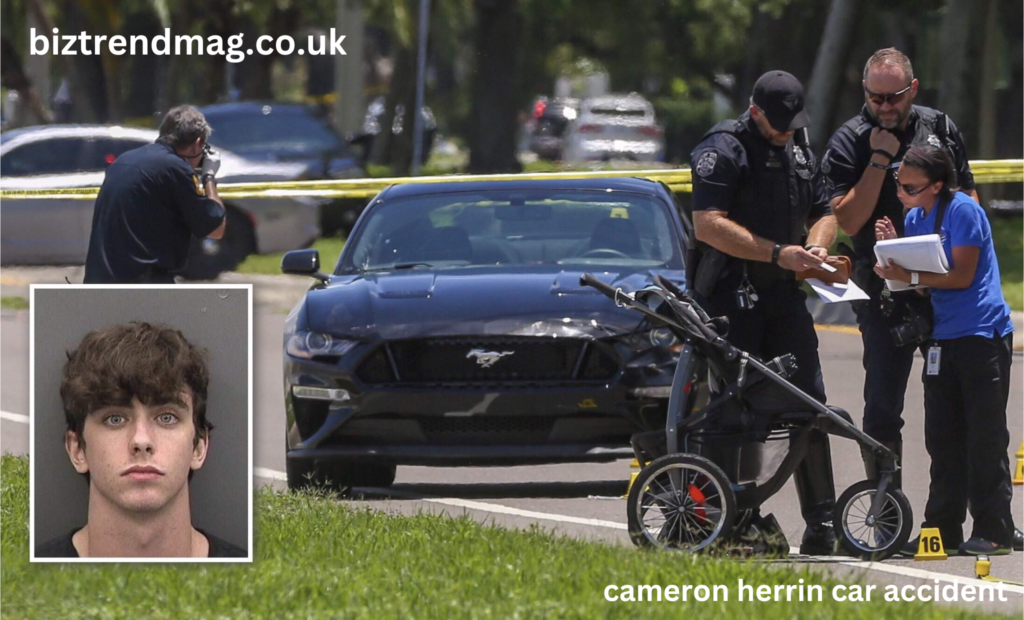
Road Safety Lessons From the Cameron Herrin Car Accident
The Cameron Herrin car accident offers critical lessons about road safety that apply universally.
Key takeaways include:
- Speed dramatically increases danger
- Vehicles can become lethal weapons
- Pedestrians are extremely vulnerable
- One decision can affect countless lives
These lessons reinforce the importance of cautious, responsible driving.
Legal Precedent and Public Safety
Cases like the Cameron Herrin car accident help shape how the legal system responds to reckless driving. They send clear signals about societal expectations and the consequences of violating them.
Such cases serve as:
- Warnings to potential offenders
- Reinforcements of traffic laws
- Examples of accountability in action
They influence how similar cases may be handled in the future.
Media Coverage and Ethical Reporting
Media coverage of the Cameron Herrin car accident sparked debate about ethical reporting. Sensational headlines can draw attention but may oversimplify complex situations.
Responsible reporting requires:
- Accurate information
- Respect for those affected
- Avoidance of speculation
- Balanced presentation of facts
Ethical journalism helps the public understand events without distorting reality.
Psychological Impact on the Accused
While accountability is central, it is also important to acknowledge the psychological impact on those responsible for fatal accidents. Living with the knowledge of causing irreversible harm can result in lifelong emotional consequences.
These may include:
- Persistent guilt
- Mental health struggles
- Loss of future opportunities
- Social isolation
Recognizing this impact adds depth to understanding the human cost of such incidents.
Public Sympathy Versus Legal Responsibility
The Cameron Herrin car accident highlighted a recurring tension between public sympathy and legal responsibility. Emotional reactions often conflict with judicial outcomes, especially in high-profile cases.
This tension raises broader societal questions:
- How should justice balance emotion and law?
- Should public opinion influence sentencing?
- What role does empathy play in accountability?
These debates continue long after verdicts are delivered.
The Permanence of Digital Memory
In today’s digital world, cases like the Cameron Herrin car accident never truly fade away. Online discussions, articles, and videos create a permanent record that shapes how events are remembered.
This permanence affects:
- Families seeking privacy
- Public understanding over time
- The legacy of those involved
It emphasizes the importance of responsible online engagement.
Preventing Similar Tragedies in the Future
Perhaps the most constructive outcome of revisiting the Cameron Herrin car accident is the opportunity for prevention. Learning from tragedy can help reduce future loss.
Preventive measures include:
- Improved driver education
- Emphasis on consequences of speeding
- Community awareness initiatives
- Encouraging accountability among young drivers
Prevention begins with understanding and responsibility.
Why the Cameron Herrin Car Accident Still Matters
The continued interest in the Cameron Herrin car accident reflects unresolved emotions and broader societal concerns. The case touches on universal themes—loss, responsibility, youth, and justice—that resonate across cultures.
People continue to search for meaning, lessons, and understanding within this tragedy.

A Broader Reflection on Responsibility
Beyond one individual or one event, the Cameron Herrin car accident reminds us of the responsibility that comes with driving. Every person behind the wheel holds the power to protect or endanger lives.
This responsibility demands:
- Awareness
- Caution
- Respect for others
- Understanding of consequences
These principles apply to everyone on the road.
Final Reflections on the Cameron Herrin Car Accident
The cameron herrin car accident stands as a tragic example of how quickly lives can be changed by a single moment. It is not merely a legal case or an online topic, but a human story marked by loss, accountability, and lasting impact.
By examining this case thoughtfully, we move beyond judgment toward awareness. The true value of revisiting such events lies in learning lessons that can protect lives in the future.
Tragedies cannot be undone, but understanding can help prevent them from happening again.
