


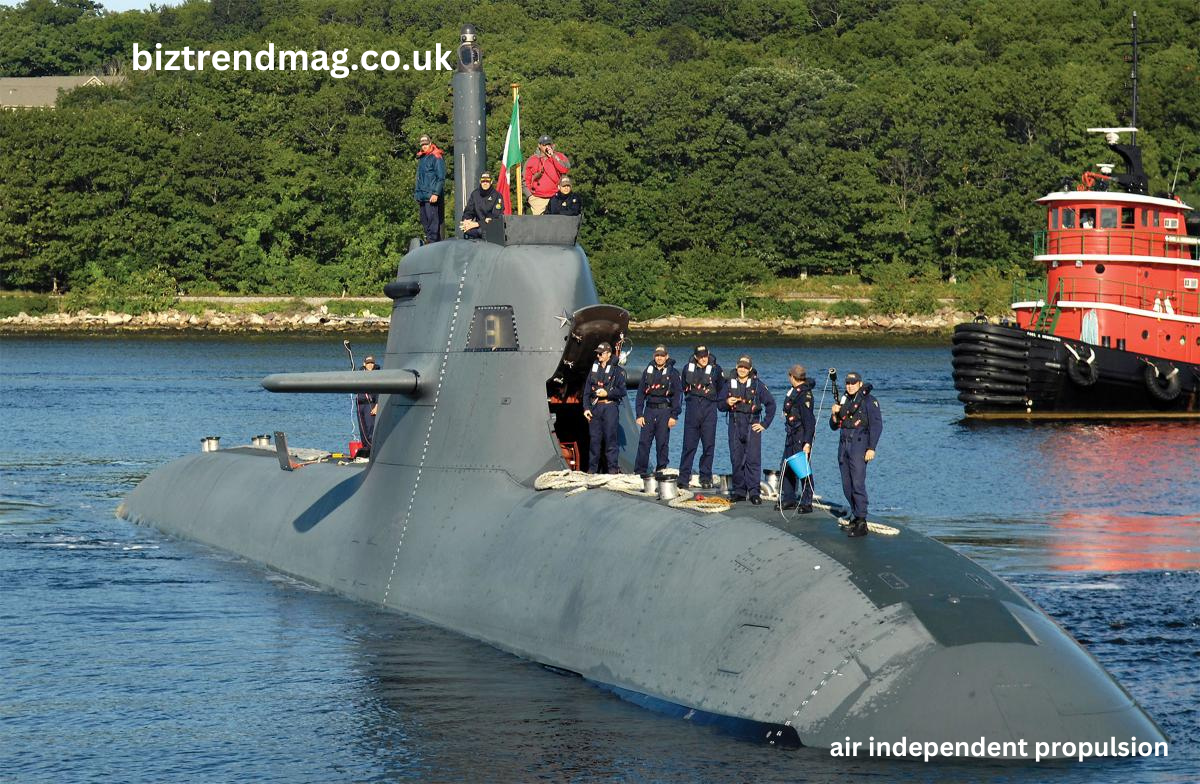
Submarines have long represented one of the most strategic assets in naval warfare. Their ability to operate underwater for extended periods provides tactical advantages in surveillance, deterrence, and combat operations. One of the most significant technological advancements enhancing submarine endurance is air independent propulsion. This innovation allows non-nuclear submarines to remain submerged far longer than traditional diesel-electric vessels, fundamentally reshaping underwater naval strategy.
In this comprehensive article, we will explore the concept, history, types, advantages, limitations, global adoption, and future of air independent propulsion systems. By understanding this technology, we gain insight into how modern navies maintain stealth and operational flexibility beneath the ocean’s surface.
Air Independent Propulsion: Understanding the Core Concept
At its most basic level, air independent propulsion (AIP) refers to technology that enables conventional submarines to operate underwater without needing to surface or snorkel for atmospheric oxygen. Traditional diesel-electric submarines rely on diesel engines that require air to recharge batteries. This necessity forces them to surface periodically, increasing the risk of detection.
AIP systems eliminate or significantly reduce this vulnerability by providing an alternative energy source that does not depend on external air intake. The result is extended submerged endurance, improved stealth, and enhanced operational capabilities.
Historical Development of Air Independent Propulsion
The idea behind air independent propulsion is not entirely new. Early experimentation began during World War II, when German engineers sought ways to increase submarine endurance. Although initial attempts were limited by technological constraints, they laid the foundation for modern systems.
Post-war research continued in various countries, but significant breakthroughs occurred in the late 20th century. As electronic surveillance and anti-submarine warfare technologies improved, navies recognized the need for quieter and longer-lasting underwater operations.
The development of practical AIP systems marked a turning point for non-nuclear submarines, narrowing the performance gap between conventional and nuclear-powered fleets.
Why Air Independent Propulsion Matters in Modern Naval Strategy
In modern maritime security environments, stealth is critical. Submarines are used for:
- Intelligence gathering
- Coastal defense
- Sea lane protection
- Special operations deployment
- Strategic deterrence
Without air independent propulsion, conventional submarines must expose themselves periodically, making them vulnerable to radar, infrared detection, and satellite monitoring.
AIP technology enhances survivability by minimizing surface exposure. This capability is particularly valuable in contested waters where detection risks are high.
Types of Air Independent Propulsion Systems
There are several types of air independent propulsion technologies currently in use or under development. Each has unique advantages and engineering requirements.
Stirling Engine Systems
One of the earliest widely adopted AIP technologies uses Stirling engines. These external combustion engines operate using stored liquid oxygen and diesel fuel.
Advantages include:
- Proven reliability
- Relatively simple design
- Quiet operation
Countries such as Sweden have successfully deployed submarines equipped with Stirling-based systems.
Fuel Cell Systems in Air Independent Propulsion
Fuel cells represent one of the most advanced forms of air independent propulsion. These systems generate electricity through chemical reactions between hydrogen and oxygen, producing water as a byproduct.
Benefits include:
- Extremely quiet operation
- High efficiency
- Reduced thermal signature
Fuel cell AIP systems are often considered the gold standard for stealth in conventional submarines.
Closed-Cycle Diesel Engines
Closed-cycle diesel engines adapt traditional diesel systems to operate without atmospheric air. They use stored oxygen to sustain combustion underwater.
While effective, they can produce more noise and heat compared to fuel cell alternatives.
MESMA Turbine Systems
The Module d’Energie Sous-Marine Autonome (MESMA) is a steam turbine-based AIP system developed in France. It uses ethanol and liquid oxygen to generate steam and power turbines.
Although powerful, MESMA systems are often larger and more complex than other AIP solutions.
Operational Advantages of Air Independent Propulsion
Air independent propulsion provides several strategic benefits.
Extended Submerged Endurance
Conventional submarines without AIP may remain submerged for only a few days before recharging batteries. With AIP, this endurance can extend to weeks, depending on operational conditions.
Enhanced Stealth
Minimizing snorkel use significantly reduces detection risk. Modern sonar and satellite systems make surface exposure dangerous.
Cost-Effective Alternative to Nuclear Power
Nuclear submarines offer nearly unlimited endurance but come with high costs and political sensitivities. AIP-equipped submarines provide a middle ground—greater endurance without nuclear infrastructure.
Coastal Dominance
In shallow coastal waters, smaller AIP submarines often outperform larger nuclear vessels due to maneuverability and reduced acoustic signatures.
Limitations of Air Independent Propulsion
Despite its advantages, air independent propulsion is not without limitations.
Speed Constraints
AIP systems generally support low to moderate speeds. High-speed operations typically rely on battery power.
Limited Energy Capacity
Although endurance increases significantly, AIP does not match the virtually unlimited range of nuclear propulsion.
Maintenance Complexity
Certain systems, particularly fuel cells, require specialized maintenance and storage solutions for hydrogen and oxygen.
Air Independent Propulsion vs. Nuclear Propulsion
Comparing air independent propulsion to nuclear propulsion highlights important distinctions.
For many nations, AIP represents a balanced solution between capability and affordability.
Global Adoption of Air Independent Propulsion
Several countries have integrated air independent propulsion into their submarine fleets.
Sweden
Sweden pioneered operational use of Stirling AIP systems.
Germany
Germany has deployed fuel cell-based AIP submarines, exporting them to allied nations.
Japan
Japan developed advanced AIP systems before transitioning toward lithium-ion battery enhancements.
South Korea
South Korea has incorporated AIP into modern submarine programs.
India
India has pursued indigenous AIP development to enhance underwater endurance capabilities.
The widespread adoption of AIP technology demonstrates its strategic importance in modern naval planning.
Air Independent Propulsion in Littoral Warfare
Littoral or coastal warfare environments present unique challenges. Shallow waters limit maneuverability and increase acoustic complexity.
AIP submarines excel in these conditions because:
- They operate quietly
- They remain submerged longer
- They require fewer logistical resources
Their stealth makes them particularly effective in denying access to hostile forces near national coastlines.
Environmental and Safety Considerations
Handling liquid oxygen and hydrogen requires strict safety protocols. Storage systems must prevent leaks and manage extreme temperatures.
Fuel cell systems are generally environmentally friendly in operation, producing minimal emissions underwater.
As naval forces prioritize sustainability, cleaner propulsion technologies may gain additional importance.
The Future of Air Independent Propulsion
Technological advancements continue to refine air independent propulsion systems.
Integration with Lithium-Ion Batteries
Some navies are experimenting with advanced battery technologies to complement or replace traditional AIP systems.
Hybrid Solutions
Future submarines may combine:
- Fuel cells
- Advanced batteries
- Traditional diesel engines
Hybrid designs could maximize flexibility and performance.
Automation and Digital Control
Improved monitoring systems enhance efficiency and reduce crew workload.
Strategic Implications of Air Independent Propulsion
Air independent propulsion has shifted the strategic balance in submarine warfare. Smaller nations can now field submarines capable of extended underwater operations without investing in nuclear fleets.
This democratization of underwater endurance has implications for:
- Regional power balances
- Maritime trade security
- Naval deterrence strategies
The technology contributes to multipolar naval competition.
Air Independent Propulsion and Defense Procurement
Defense procurement decisions often weigh cost, capability, and long-term sustainability. AIP-equipped submarines offer an attractive option for countries seeking credible underwater deterrence without the financial burden of nuclear programs.
The export market for AIP submarines remains active, with shipyards competing to offer integrated solutions.
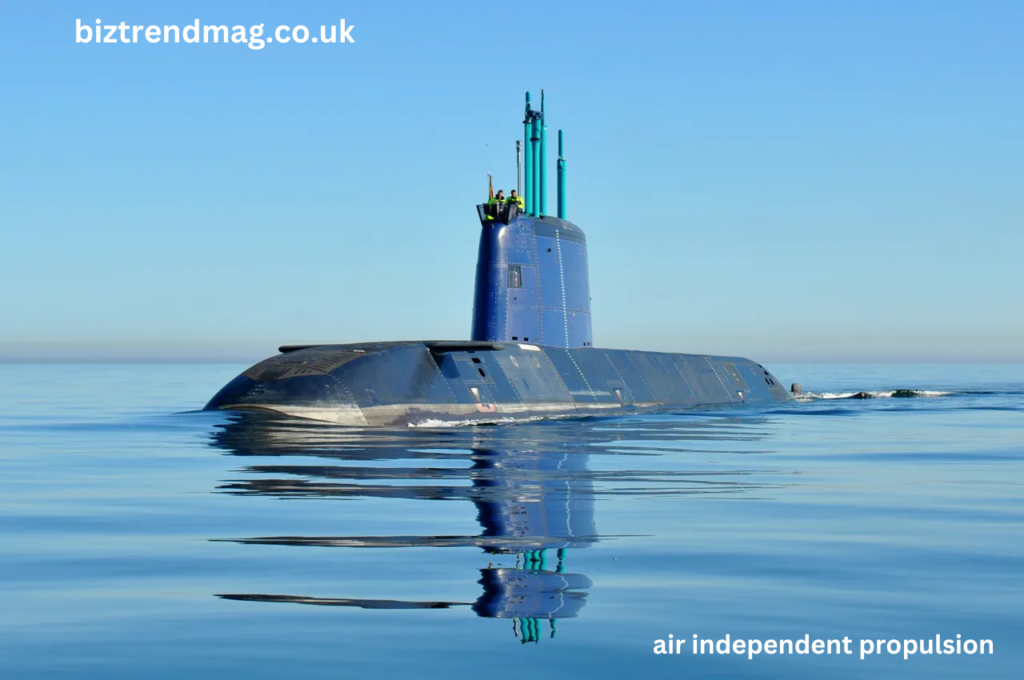
Technological Challenges and Innovation
Research continues to address challenges such as:
- Hydrogen storage safety
- Efficiency optimization
- Acoustic reduction
- System miniaturization
As materials science and engineering evolve, AIP systems may become lighter, more powerful, and more reliable.
Conclusion
Air independent propulsion represents one of the most transformative developments in conventional submarine technology. By allowing submarines to operate underwater for extended periods without surfacing, AIP systems enhance stealth, survivability, and operational flexibility.
Although not a replacement for nuclear propulsion in every scenario, air independent propulsion provides a highly effective alternative for many navies. Its strategic value lies in balancing endurance, cost, and discretion.
As global maritime competition intensifies and underwater domains become increasingly contested, AIP technology will remain central to submarine innovation. Future advancements in energy storage, fuel efficiency, and hybrid propulsion systems promise to further refine its capabilities.
