


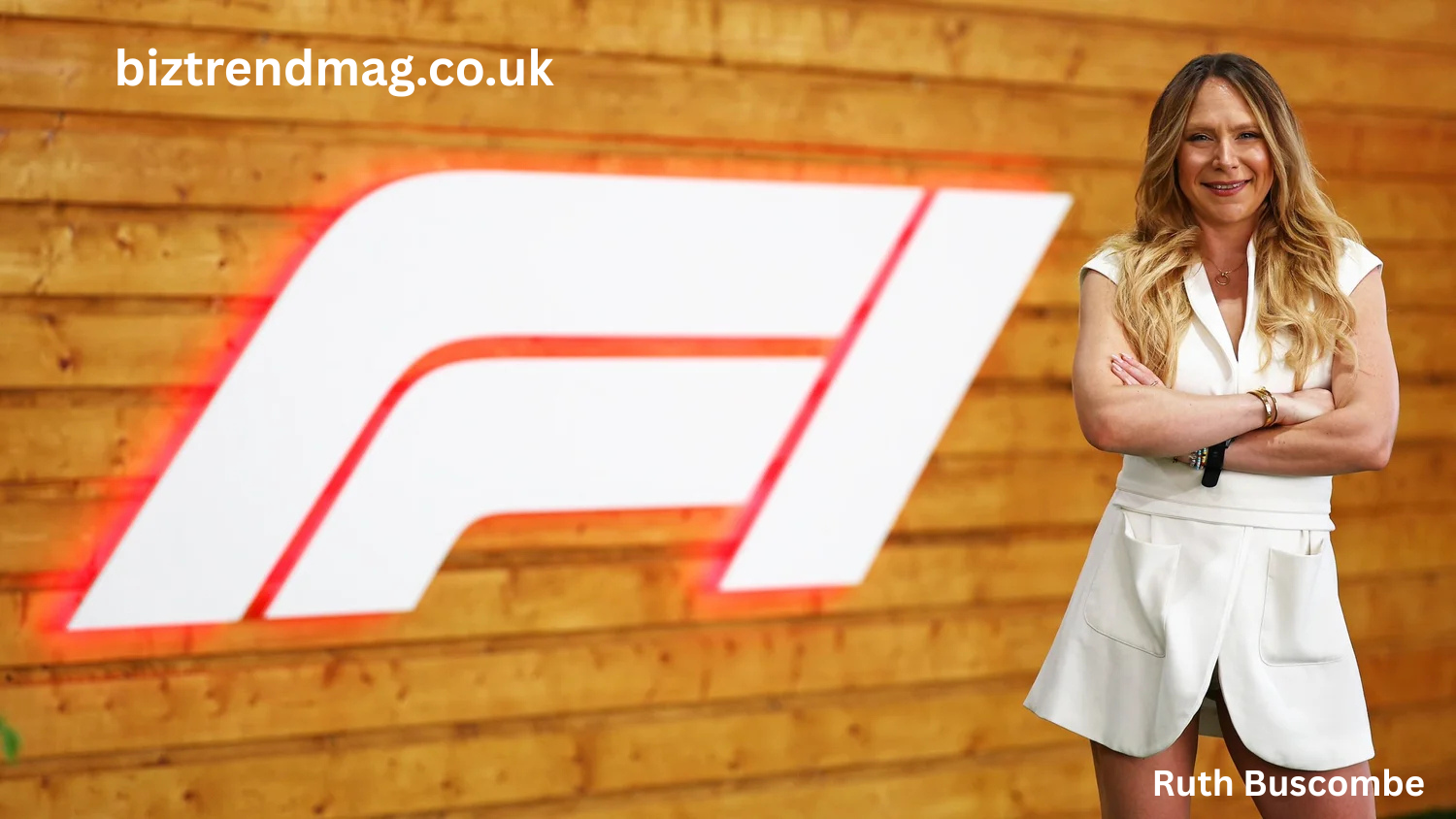
The name Ruth Buscombe has become increasingly recognized in the world of motorsport, particularly within Formula One. While drivers often receive the spotlight, the success of any racing team depends heavily on the expertise and decision-making of individuals working behind the scenes. Ruth Buscombe stands out as one of the most influential figures in race strategy, helping to shape outcomes through data-driven insight, rapid analysis, and calm execution under pressure.
This article explores who Ruth Buscombe is, how she built her career, why her role matters in modern racing, and how her presence reflects broader changes within motorsport. Rather than focusing on a single moment or team, this piece takes a comprehensive look at her professional journey, her working philosophy, and her lasting influence on the sport.
Who Is Ruth Buscombe?
Ruth Buscombe is a motorsport strategist known for her work in Formula One and related racing series. Her career is defined by analytical precision, adaptability, and the ability to make high-stakes decisions in real time. Strategy in motorsport is not simply about calculations; it requires understanding drivers, weather, tire behavior, and race dynamics simultaneously.
Her reputation has grown steadily as fans and professionals alike have gained a deeper appreciation for the complexity of race strategy. As broadcasting and fan engagement have evolved, strategists like her have become more visible, allowing the public to better understand their critical role.
Early Interest in Motorsport and Engineering
Like many professionals in racing, Ruth Buscombe’s journey began with a fascination for cars, competition, and problem-solving. Motorsport attracts individuals who thrive on precision and pressure, and her academic background played a crucial role in preparing her for this environment.
Engineering disciplines provide the foundation for strategic thinking in racing. The ability to interpret data, model scenarios, and predict outcomes is essential, and her early education helped develop these skills. This technical grounding would later become a defining strength in her professional career.
Entering a Highly Competitive Industry
Motorsport is known for being one of the most competitive industries in the world. Opportunities are limited, and progression often requires persistence, adaptability, and continuous learning. Ruth Buscombe entered the field at a time when strategic roles were gaining importance due to advances in data collection and simulation tools.
Starting in junior roles, she worked across different categories of racing, gradually building experience. These early years were crucial, allowing her to understand how strategy changes across series, cars, and regulations.
The Role of Strategy in Modern Formula One
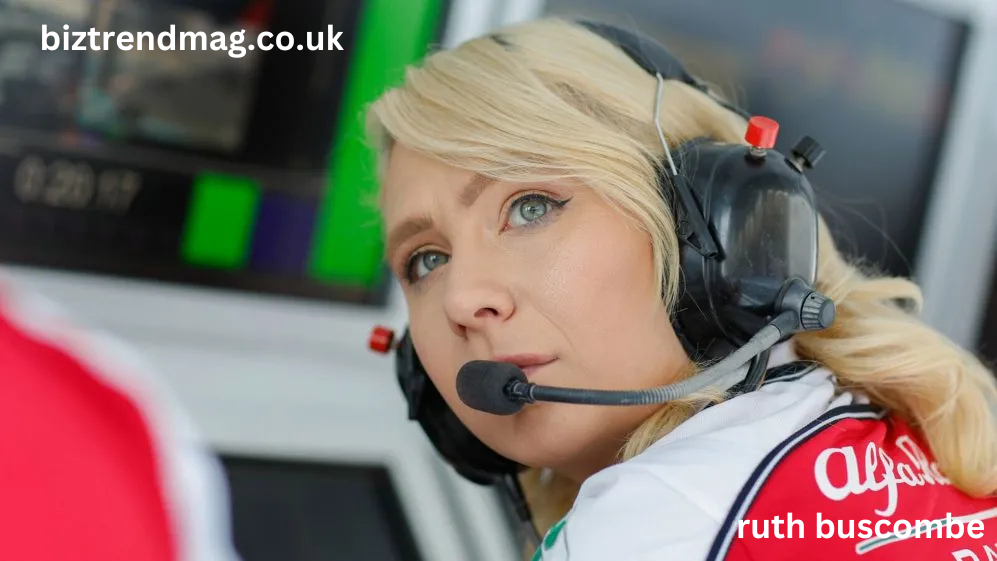
To understand the significance of Ruth Buscombe’s work, it is important to understand what race strategy entails. Strategy teams analyze massive volumes of data before, during, and after races. Decisions must be made within seconds, often with incomplete information.
Race strategy involves:
- Tire selection and timing of pit stops
- Reacting to safety cars and weather changes
- Managing fuel and pace
- Coordinating with drivers and engineers
Success depends on anticipating multiple scenarios and choosing the optimal response under pressure.
Ruth Buscombe’s Approach to Decision-Making
One of the reasons Ruth Buscombe is highly respected is her structured approach to decision-making. She combines data analysis with situational awareness, ensuring that strategies remain flexible rather than rigid.
Her approach emphasizes:
- Scenario planning before race day
- Clear communication with drivers
- Continuous reassessment during the race
- Learning from outcomes, whether successful or not
This balance between preparation and adaptability is essential in a sport where conditions change rapidly.
Communication as a Strategic Tool
Strategy is not effective without communication. Ruth Buscombe’s role involves translating complex data into clear instructions that drivers and engineers can act on immediately.
Effective communication in racing includes:
- Delivering concise messages under stress
- Adjusting language based on the driver’s needs
- Coordinating with multiple departments simultaneously
This human element is often overlooked, yet it is critical to executing a successful race plan.
Visibility and Recognition in Broadcasting
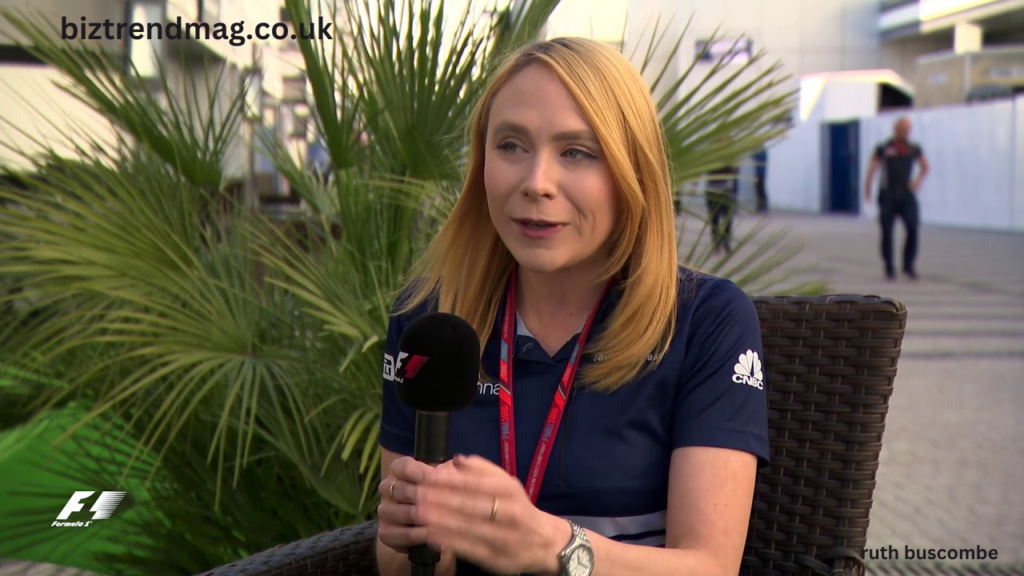
As motorsport broadcasting has evolved, viewers have gained more insight into the strategic side of racing. Ruth Buscombe has become a recognizable figure partly because strategy discussions are now more transparent and accessible.
Her ability to explain complex concepts in an understandable way has contributed to her growing profile. This visibility helps fans appreciate the intellectual depth of racing and the teamwork involved beyond the drivers.
Breaking Stereotypes in Motorsport
Motorsport has traditionally been male-dominated, particularly in technical and strategic roles. Ruth Buscombe’s presence challenges outdated assumptions about who belongs in high-level racing positions.
Her career demonstrates that:
- Expertise matters more than background
- Diverse perspectives strengthen decision-making
- Representation can inspire future talent
Without focusing on labels, her success speaks to competence, dedication, and results.
Working Under Extreme Pressure
Every race weekend presents intense pressure. Strategy decisions can affect millions of dollars, championship standings, and professional reputations. Ruth Buscombe’s ability to remain composed during critical moments is a defining trait.
Pressure management involves:
- Trusting preparation and data
- Accepting uncertainty as part of racing
- Staying focused despite external noise
These qualities are essential for anyone working at the highest level of motorsport.
Adapting to Regulation Changes
Formula One regulations change frequently, altering car behavior, tire performance, and race dynamics. Strategists must constantly adapt their models and assumptions. Ruth Buscombe’s career reflects a strong ability to adjust to these changes.
Adaptation includes:
- Learning new technical frameworks
- Rebuilding predictive models
- Collaborating closely with engineering teams
This adaptability ensures long-term relevance in a rapidly evolving sport.
Strategy Beyond Formula One
While Formula One often receives the most attention, strategic expertise applies across many racing series. Experience in different categories helps strategists broaden their understanding and refine their skills.
Exposure to multiple formats:
- Enhances adaptability
- Improves risk assessment
- Builds a more complete racing perspective
This diverse experience strengthens strategic decision-making at the top level.
Leadership and Team Collaboration
Although strategists may not manage large teams directly, their role carries leadership responsibilities. Ruth Buscombe’s position requires earning trust and guiding decisions during critical moments.
Leadership in this context involves:
- Confidence without arrogance
- Listening to input from engineers
- Taking responsibility for outcomes
These traits foster strong collaboration and mutual respect.
Learning From Success and Failure
In racing, even the best strategies sometimes fail due to unpredictable factors. Ruth Buscombe’s career highlights the importance of reviewing outcomes objectively.
Post-race analysis focuses on:
- Identifying decision points
- Understanding external influences
- Refining future strategies
This continuous learning cycle is essential for long-term success.
The Growing Importance of Data Analytics
Modern motorsport relies heavily on data analytics. Ruth Buscombe works at the intersection of technology and intuition, using advanced tools while maintaining situational awareness.
Data analytics supports:
- Real-time decision-making
- Predictive modeling
- Performance optimization
Strategists must interpret data correctly, not just collect it.
Inspiring the Next Generation
Visibility matters in shaping career aspirations. Ruth Buscombe’s presence in high-profile roles helps broaden perceptions of what careers in motorsport can look like.
Her journey can inspire:
- Students interested in engineering
- Individuals passionate about data science
- Fans curious about behind-the-scenes roles
Inspiration often begins with seeing what is possible.
Media Perception and Public Interest
Public interest in strategists has increased as fans seek deeper understanding of races. Ruth Buscombe’s insights often resonate because they reveal the complexity behind seemingly simple outcomes.
Media discussions now include:
- Strategy breakdowns
- Alternative scenarios
- Post-race explanations
This shift enriches the fan experience.
Balancing Technical Knowledge and Human Factors
Racing is not purely technical. Drivers’ confidence, fatigue, and mindset influence outcomes. Ruth Buscombe’s work reflects an understanding of these human factors.
Balancing these elements requires:
- Empathy
- Timing in communication
- Awareness of emotional dynamics
Successful strategy considers both numbers and people.
Long-Term Career Development
Sustaining a career in motorsport requires continuous growth. Ruth Buscombe’s trajectory shows a commitment to learning and evolving with the sport.
Long-term development includes:
- Staying current with technology
- Expanding leadership skills
- Adapting to new roles
This mindset ensures relevance over time.
The Broader Impact of Ruth Buscombe
Beyond individual races, Ruth Buscombe’s influence extends to how fans and aspiring professionals view motorsport careers. She represents the analytical backbone of racing, reminding audiences that victory is a collective effort.
Her impact is seen in:
- Increased appreciation for strategy
- Greater visibility of technical roles
- Expanded conversations about diversity of skills
These contributions shape the sport’s future.
Challenges That Come With Recognition
With recognition comes scrutiny. Public visibility can amplify both praise and criticism. Ruth Buscombe’s professionalism demonstrates how to navigate this environment with focus and resilience.
Managing attention requires:
- Maintaining perspective
- Staying grounded in process
- Letting results speak
This approach supports sustained performance.
The Evolution of the Strategist Role
The strategist role continues to evolve as technology advances. Ruth Buscombe’s career reflects this evolution, moving from traditional models to increasingly sophisticated systems.
Future developments may include:
- Greater use of artificial intelligence
- Enhanced simulation accuracy
- Faster decision-support tools
Strategists will remain central to competitive success.
Why Ruth Buscombe Matters in Modern Motorsport
Ruth Buscombe matters because she embodies the modern motorsport professional: analytical, adaptable, communicative, and resilient. Her work illustrates how races are won and lost through preparation as much as speed.
She represents:
- The intellectual side of racing
- The importance of teamwork
- The value of calm decision-making
These qualities define excellence in contemporary motorsport.
Final Thoughts on Ruth Buscombe
Ruth Buscombe career offers insight into the hidden complexity of racing and the people who shape outcomes beyond the driver’s seat. Her journey underscores the importance of strategy, preparation, and adaptability in a sport defined by fine margins.
As motorsport continues to evolve, figures like her will remain essential. Understanding her role enriches appreciation for the sport and highlights the many paths that lead to success within it. Ruth Buscombe’s story is not just about racing—it is about problem-solving, leadership, and the pursuit of excellence under pressure.
